What Pilates Is—and What It Isn’t
In recent years, a wave of “cheap Pilates” options has appeared—but many of these offerings are not actually Pilates. While all forms of fitness can be beneficial, it’s important to understand that Pilates and general fitness are not interchangeable.
What Pilates really is:
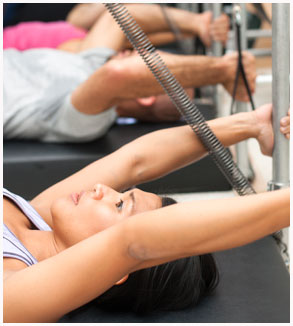
Pilates is a detailed, highly nuanced system of exercises created by Joseph Pilates. It’s designed to improve strength, flexibility, balance, and efficiency of movement. The system is progressive and layered: exercises are taught with attention to alignment, control, breath, and biomechanics. With practice and consistency, Pilates helps you move better, prevent injury, and even support recovery from pain or surgery.
Teacher training standards:
Unlike professions that are legally regulated, there is currently no law defining who can call themselves a “Pilates teacher.” In the U.S., however, there is one nationally accredited certification: the Nationally Certified Pilates Teacher (NCPT) credential. To qualify for this exam, teachers must complete a minimum of 450 hours in a comprehensive Pilates teacher training program and receive a certificate of completion. Many authentic and advanced programs require 800-900+ hours, far beyond the minimum standard.
That said, not all comprehensively trained Pilates teachers have taken the NCPT exam—especially those who were already highly trained and teaching before the credential existed. What matters most is whether a teacher has completed a true comprehensive program and studied within the Classical/Authentic Pilates lineage. When looking for a teacher or studio, check for the words Classical or Authentic Pilates and take the time to read teacher and studio owner bios to understand their training and lineage.
In contrast, many large fitness brands that market “Pilates-inspired” classes provide their instructors with as little as 30 hours of training—far short of what’s needed for the NCPT exam or for comprehensive knowledge of the system. These programs often replace Pilates’ classical repertoire and principles with high-intensity interval training (HIIT)–style workouts on hybrid machines, using labels like “Evolved Pilates,” “Modern Pilates,” or “Pilates Reimagined.” While fun workouts, these formats are not traditional Pilates and do not provide the same long-term benefits.
Why this matters:
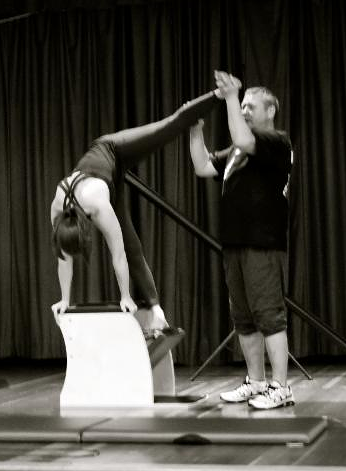
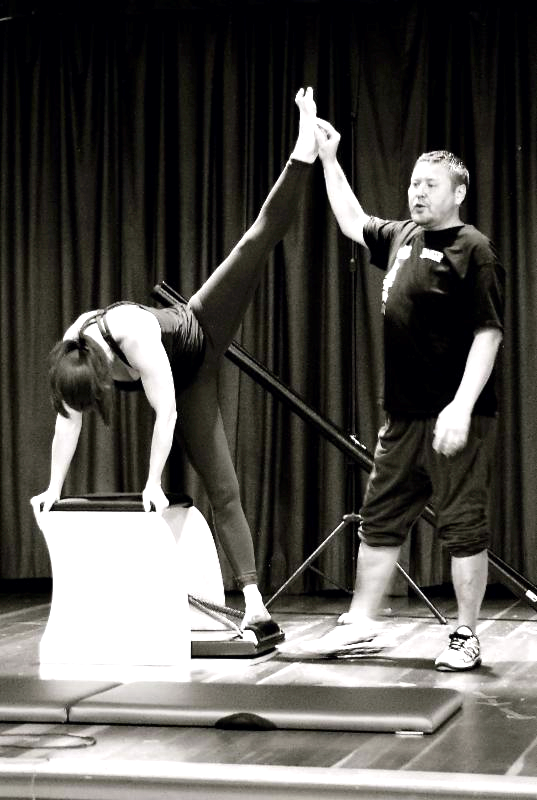
True Pilates requires focus and precision. It is whole body organization through internal focus vs. outward focus on aesthetics or isolating body parts. Sometimes that means slowing movements down to re-pattern how the body works. Exercises are introduced in layers and repeated until the skills become second nature. Only then is pace and complexity added for greater challenge. Authentically trained teachers are skilled at guiding this process because they have invested hundreds—often thousands—of hours in study and practice before teaching.
This is the system that gained worldwide recognition for helping people:
- Improve or resolve chronic pain
- Rehabilitate from injury
- Support pre- and post-surgical recovery
- Build lasting strength, mobility, and efficiency in movement
While Pilates falls outside of the Western medical model, highly trained Pilates teachers often partner with and communicate with physical therapists, doctors, and other health professionals to support their clients’ care and recovery. This collaboration helps bridge the gap between rehabilitation and fitness, giving clients the best possible outcomes.
While authentic Pilates training is often more expensive, you are investing in the expertise of a highly trained professional who can create a tailored program to meet your goals safely and effectively.
Ready to experience the difference of Classical Pilates? Search for Authentic or Classical Pilates studios in your area or book a session with a comprehensively trained instructor. If you’re local, explore our Internal Fire Pilates studio in Mill Valley, CA to experience the original method and see how it can transform your body and movement.